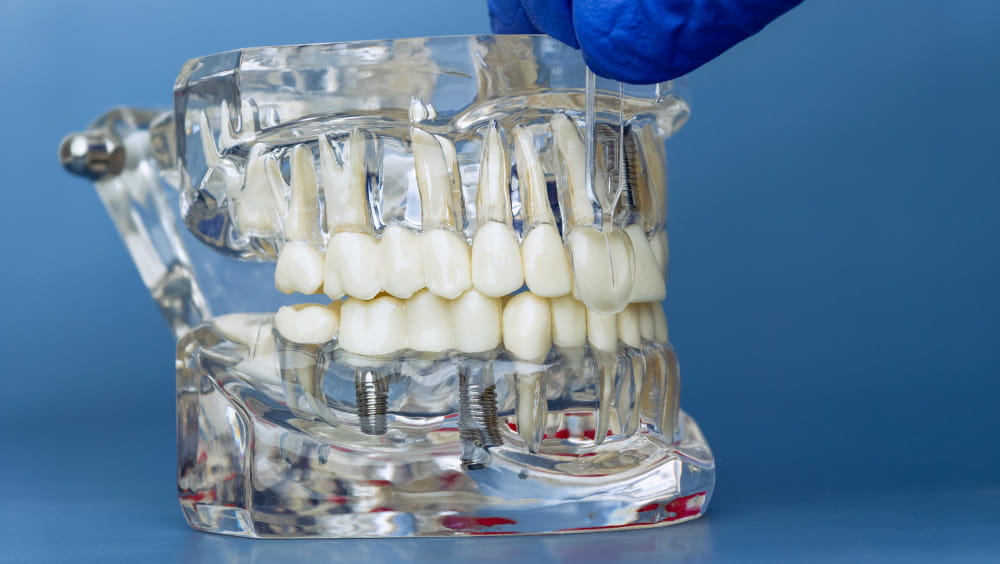
All-on-6 implants in Antalya offer a fixed full-arch dental restoration for patients who have lost most or all of their teeth and want a stable alternative to removable dentures. In this treatment, six dental implants are placed into the jawbone to support a full set of fixed prosthetic teeth. The aim is to restore chewing strength, improve speech, support facial structure, and create a natural-looking smile that feels secure in daily life.
In my clinical experience, many patients considering All-on-6 treatment are tired of loose dentures, repeated dental problems, or failing teeth that can no longer be saved predictably. A well-planned All-on-6 case can change that situation by creating a fixed foundation. The six implants distribute chewing forces across the jaw more evenly, which can be helpful in patients with enough bone volume and a need for strong long-term support.
Antalya has become a preferred destination for full mouth dental implant treatments because it combines experienced dental teams, digital dentistry, modern implant systems, and more accessible treatment costs compared with many European countries. Patients often travel here for implant treatment because they can receive consultation, 3D imaging, surgical planning, implant placement, temporary teeth, and final prosthetic work within a structured treatment plan.
A proper All-on-6 implant plan is not just about placing six implants. We examine bone density, gum health, bite position, smile line, medical history, medication use, smoking habits, and aesthetic expectations. Cone Beam CT imaging allows us to see the jawbone in three dimensions and plan implant positions with far greater accuracy than a standard X-ray. When these details are handled carefully, All-on-6 implants can provide a strong, comfortable, and natural-looking full-mouth restoration.
What Are All-on-6 Dental Implants?
All-on-6 dental implants are a full-arch implant treatment where six titanium or zirconia implants are placed in the jaw to support a complete fixed bridge. This means that an entire upper or lower set of teeth can be restored using six implant anchors rather than placing one implant for every missing tooth. For many patients, this creates a good balance between stability, function, aesthetics, and treatment efficiency.
The implants act like artificial tooth roots. After they are inserted into the jawbone, the bone gradually bonds with the implant surface through a biological process called osseointegration. This usually takes around 3 to 6 months, depending on bone quality, implant location, general health, and whether additional procedures such as bone grafting are needed. Once the implants are stable, a custom-made fixed bridge is attached.
In most All-on-6 cases, the prosthetic bridge contains 10 to 12 visible teeth per arch, sometimes 14 depending on the bite, jaw size, and prosthetic design. The goal is not simply to fill gaps. We need to restore the patient’s ability to chew comfortably, speak clearly, smile confidently, and maintain a balanced bite. A poorly designed full-arch bridge can cause pressure points, speech issues, food trapping, or implant overload, so planning matters a great deal.
All-on-6 treatment may be used in the upper jaw, lower jaw, or both jaws. The upper jaw often has softer bone than the lower jaw, so using six implants can provide additional support in suitable patients. The final teeth may be made from zirconia, porcelain-fused materials, acrylic hybrid structures, or other dental ceramics. Material selection depends on bite force, aesthetic expectations, budget, and clinical findings. A patient with strong chewing muscles may need a different prosthetic design than someone with a lighter bite.
Who Is a Suitable Candidate for All-on-6 Implants?
A suitable candidate for All-on-6 implants is usually someone who has lost all teeth in one jaw, has many failing teeth, or wears removable dentures and wants a fixed solution. The patient should have enough jawbone volume to hold six implants securely, or at least enough bone after planned grafting procedures. We do not decide this by looking inside the mouth alone. A 3D dental scan is needed to measure bone height, width, density, and the position of anatomical structures such as the sinus cavities and nerves.
Patients with loose teeth due to advanced gum disease may also be candidates, but active infection must be controlled before or during the treatment plan. Gum disease affects the bone around teeth, and if bacteria remain unmanaged, implants can be at higher risk of complications. Before surgery, we check plaque levels, gum inflammation, bite force, and oral hygiene habits. Implant treatment works best when the mouth is clean, stable, and properly maintained.
General health is another key point. Controlled diabetes, well-managed blood pressure, and stable medical conditions do not automatically prevent implant treatment. Poorly controlled diabetes, heavy smoking, recent radiotherapy to the jaw area, severe immune suppression, or certain bone-related medications may require extra caution. Patients using blood thinners may still be treated, but the protocol must be coordinated carefully.
Age alone is not the deciding factor. I have seen older patients become excellent implant candidates because their health, bone condition, and oral hygiene were suitable. I have also seen younger patients need extra preparation because of smoking, gum infection, or bone loss. A realistic candidate is someone who understands that All-on-6 is a medical and prosthetic treatment, not a quick cosmetic shortcut. Good planning, careful surgery, proper temporary teeth, and long-term maintenance all affect the final result.
All-on-6 vs All-on-4 Implants
All-on-6 and All-on-4 implants are both fixed full-arch treatments, but they differ in the number of implants used to support the prosthetic teeth. All-on-4 uses four implants per arch, while All-on-6 uses six. That difference may sound small, yet it can change load distribution, prosthetic design, and treatment planning, depending on the patient’s bone structure and bite force.
All-on-4 can be a suitable option for patients with limited bone, especially when angled implants are used to avoid anatomical areas such as the maxillary sinus or mandibular nerve. It is often chosen when treatment needs to be efficient and bone volume is not ideal in the back areas of the jaw. All-on-6 may be preferred when there is enough bone to place six implants in favorable positions. The two extra implants can help spread chewing pressure more evenly across the arch and may provide a stronger foundation for patients with higher bite force.
For the upper jaw, where bone is often less dense, All-on-6 can give added support in properly selected cases. For the lower jaw, both options can work well, but the choice depends on bone width, nerve position, bite pattern, and prosthetic length. A patient who grinds their teeth at night may benefit from the added support of six implants, although a night guard may still be necessary after treatment.
The decision should not be made only by comparing numbers. Six implants are not automatically better for every patient, and four implants are not automatically weaker. The best option is the one that fits the patient’s anatomy, health, budget, and long-term maintenance plan. In our assessments, we compare 3D scan findings, smile design expectations, tooth material, and the patient’s chewing habits before recommending All-on-4 or All-on-6.
Benefits of Getting All-on-6 Implants in Antalya
Getting All-on-6 implants in Antalya can offer both clinical and practical advantages for patients seeking full mouth restoration. One of the main clinical benefits is fixed stability. Unlike removable dentures, an All-on-6 bridge does not move while speaking or chewing. Patients can usually return to eating a wider range of foods after healing, although very hard foods such as ice, nutshells, or using teeth as tools should always be avoided.
The use of six implants allows chewing forces to be distributed across more support points. This can be valuable in full-arch cases because the prosthetic teeth are connected as one structure. When the implants are positioned correctly, the bridge can feel secure and balanced. Many patients also notice that their face looks more supported because missing teeth and collapsed bite height can make the lower face appear shorter or older.
Antalya is attractive for patients because modern dental clinics often use digital planning tools such as panoramic X-rays, intraoral scanners, 3D tomography, guided surgery planning, and CAD/CAM prosthetic design. These technologies help us plan implant angles, temporary teeth, and final bridge shape with better precision. Treatment costs in Antalya are commonly lower than in countries such as the UK, Germany, the Netherlands, or Scandinavia, largely because operational and laboratory costs are different in Turkey.
There is also a comfort factor. Many international patients combine treatment with accommodation near the clinic, airport transfers, and a planned appointment schedule. Dental travel should still be taken seriously; this is surgery, not a casual holiday activity. The benefit comes when the clinical team plans the case carefully, explains the timeline clearly, uses documented implant systems, and gives the patient written aftercare instructions before returning home.
All-on-6 Implant Procedure Step by Step
The All-on-6 implant procedure begins with consultation and diagnosis. During the first examination, we evaluate the teeth, gums, bite, jaw joints, facial profile, smile line, and existing dental problems. A Cone Beam CT scan is taken to see the jawbone in three dimensions. This scan helps us measure bone height and width, locate nerves and sinuses, and decide where the six implants can be placed safely.
If the patient still has failing teeth, extractions may be planned on the same day as implant placement or in a staged approach. The decision depends on infection level, bone condition, and primary stability expectations. Primary stability means how firmly the implant sits in the bone at the time of placement. For immediate temporary teeth, we generally need strong initial stability, often measured with insertion torque values during surgery.
On the surgery day, local anesthesia is used, and sedation may be considered for anxious patients or longer procedures. The gums are prepared, implants are placed into planned positions, and angled implants may be used when anatomy requires it. If bone defects are present, bone grafting can sometimes be performed during the same session. After implant placement, healing caps, multi-unit abutments, or temporary prosthetic components may be attached depending on the protocol.
Temporary fixed teeth may be fitted within 24 to 72 hours in suitable immediate loading cases. These temporary teeth are designed for appearance and gentle function, not heavy chewing. Patients must follow a soft-food diet during the healing period because the implants are still bonding with the bone. After around 3 to 6 months, once healing is confirmed, impressions or digital scans are taken for the final bridge. The final prosthesis is adjusted carefully for bite balance, speech comfort, gum contact, and aesthetics before delivery.
How Long Does the All-on-6 Treatment Take?
The full All-on-6 treatment usually takes several months from implant placement to final teeth, even though the first surgical visit may be completed within a few days. For international patients visiting Antalya, the treatment is often divided into two main trips. The first trip is for consultation, 3D imaging, extractions if needed, implant placement, and temporary fixed teeth when clinically suitable. This visit commonly lasts around 5 to 7 days, depending on the complexity of the case and the clinic’s laboratory schedule.
After implant placement, the implants need time to integrate with the jawbone. This healing period is commonly around 3 months for the lower jaw and 4 to 6 months for the upper jaw, although individual cases vary. The upper jaw may need more time because the bone is often softer. If sinus lifting, bone grafting, or treatment for infection is involved, the timeline may be longer. Rushing this stage can compromise long-term success, and patients should be cautious of plans that promise final permanent teeth too quickly without checking implant stability.
The second visit is for the final prosthetic stage. During this appointment period, digital or traditional impressions are taken, the bite is recorded, tooth shade and shape are selected, and try-ins may be performed. The final bridge is then produced and fitted. This stage may take around 5 to 10 days depending on the material and laboratory workflow.
Some patients ask whether they can receive permanent teeth immediately. In selected cases, immediate fixed temporary teeth are possible, but these are not the final bridge. The permanent prosthesis is usually made after bone healing because gum shape, implant stability, and bite records become more reliable. A properly timed treatment gives us a better chance of creating teeth that look natural, feel comfortable, and last longer.
Recovery and Aftercare After All-on-6 Implants
Recovery after All-on-6 implants usually involves swelling, mild bleeding, tenderness, and tightness around the surgical area for the first few days. Swelling often peaks around 48 to 72 hours after surgery, then gradually reduces. Bruising may appear on the cheeks or under the chin, especially in full-arch cases. This can look dramatic, but in many patients it fades within 7 to 14 days. Pain is usually manageable with medication prescribed by the dentist or oral surgeon.
For the first 24 hours, patients should avoid rinsing forcefully, spitting repeatedly, smoking, alcohol, hot drinks, and heavy physical activity. These can disturb the blood clot and slow healing. Cold compresses may be used during the early swelling phase, usually in short intervals. Food should be soft and lukewarm. During the healing period, a soft diet is not a suggestion we give casually; it protects the implants while they are bonding with the bone. Foods such as yogurt, soup, mashed potatoes, eggs, soft fish, pasta, and smoothies can be easier to manage. Hard bread, nuts, steak, raw carrots, and sticky sweets are poor choices during early healing.
Oral hygiene must be gentle but consistent. Patients are usually advised to clean around the temporary bridge with a soft toothbrush, use recommended mouthwash for a limited period, and avoid aggressive brushing around stitches. Once healing progresses, tools such as water flossers, interdental brushes, super floss, and implant-safe cleaning aids may be introduced.
Long-term aftercare matters as much as the surgery. Professional maintenance visits are commonly recommended every 6 months, or more frequently for patients with a history of gum disease. Smoking increases the risk of implant complications and peri-implantitis, which is inflammation and bone loss around implants. A fixed bridge feels strong, but it still needs daily cleaning underneath. If food and plaque collect around the implants, the gums can become inflamed and the support bone can suffer.
All-on-6 Implants Cost in Antalya
All-on-6 implants cost in Antalya depends on several clinical and prosthetic factors, including the implant brand, number of arches treated, need for extractions, bone grafting, sinus lifting, temporary teeth, final bridge material, and laboratory quality. A single full arch with six implants and a fixed bridge is usually priced differently from a full mouth case involving both upper and lower jaws. Patients should be careful when comparing prices because two clinics may both say “All-on-6,” yet the included materials and treatment stages may not be the same.
The final prosthetic material has a major effect on cost. Acrylic hybrid bridges are generally more affordable, while zirconia bridges usually cost more because they require more advanced laboratory work and provide higher strength and aesthetics. Zirconia is often preferred for patients who want a more natural tooth appearance and better wear resistance. The implant system also matters. Well-documented implant brands with long-term clinical data may cost more than lesser-known systems, but they can make future maintenance easier because spare parts and prosthetic components are more widely available.
A proper quotation should clearly explain what is included. Patients should ask whether the price covers:
- 3D tomography and planning
- Extractions, if needed
- Six implants per arch
- Temporary fixed teeth
- Multi-unit abutments
- Final prosthetic bridge
- Follow-up checks
- Any required bone grafting or sinus lifting
- Warranty terms for implant and prosthetic components
In Antalya, All-on-6 treatment is often more affordable than in many Western European countries, but low price alone should not guide the decision. Full-arch implant treatment is a complex medical procedure. If the offer does not mention scan planning, implant brand, final material, hygiene access, bite adjustment, or follow-up care, the patient may face extra costs later. A transparent treatment plan gives you a clearer picture of the real investment before starting.
Why Choose Antalya for Full Mouth Dental Implants?
Antalya is chosen for full mouth dental implants because it offers a combination of experienced dental professionals, modern clinical technology, accessible pricing, and a travel-friendly location. For patients who need All-on-6 implants, this combination can be valuable because full-arch treatment requires careful coordination between surgery, prosthetics, digital planning, laboratory work, and aftercare.
Many clinics in Antalya work with international patients regularly, so treatment schedules are often organized around travel dates. This does not mean the clinical process should be rushed. A good clinic will still require detailed imaging, medical history review, implant planning, consent forms, and clear explanations before surgery. Patients should expect a professional medical environment, not a sales-focused experience. Dentistry is healthcare, and full mouth implants deserve that level of seriousness.
The city is also well connected through Antalya Airport, which receives flights from many European and Middle Eastern cities. For patients coming from the UK, Germany, France, the Netherlands, Belgium, Switzerland, or Scandinavia, direct or seasonal direct flights may make treatment logistics easier. Accommodation options are broad, ranging from simple hotels to resort-style stays. This can make the recovery period more comfortable, though patients should plan rest rather than heavy sightseeing immediately after surgery.
From a clinical perspective, Antalya’s appeal is strongest when the clinic uses proper diagnostic tools and documented systems. A full mouth implant plan should include 3D CBCT imaging, digital smile assessment, bite analysis, implant stability checks, temporary prosthesis planning, and final bridge design. Patients should also be told how to clean under the bridge and what to do if they need help after returning home.
Choosing Antalya can make sense when quality, communication, transparency, and aftercare are all present. The best experience is not just having new teeth fitted abroad; it is returning home with a stable bite, understandable maintenance instructions, and a restoration designed to function for years.
Risks, Side Effects, and Success Rate of All-on-6
All-on-6 implants have a high success rate when cases are selected and planned correctly, but no implant treatment is risk-free. In healthy patients with good bone quality and proper oral hygiene, dental implant success rates are often reported in clinical literature at around 90–95% or higher over long-term follow-up periods. Full-arch treatments can perform very well, yet success depends on surgical accuracy, prosthetic design, bite control, smoking status, medical health, and maintenance.
Common short-term side effects include swelling, bruising, mild bleeding, discomfort, difficulty chewing, and temporary speech changes. These usually improve as the tissues heal and the patient adapts to the temporary bridge. Some patients feel pressure or tightness because the mouth has changed significantly in a short time. Adjustments may be needed if the temporary teeth rub the gums or affect speech.
More serious risks include infection, implant failure, nerve irritation, sinus complications in the upper jaw, poor osseointegration, screw loosening, prosthetic fracture, gum inflammation, and bone loss around implants. Nerve-related symptoms may include numbness, tingling, or altered sensation in the lip or chin when lower jaw anatomy is involved. This is why 3D imaging is not optional in responsible implant planning. In the upper jaw, sinus position must be evaluated carefully before posterior implants are placed.
Long-term problems often come from poor cleaning or excessive bite forces. Peri-implantitis can develop when bacteria accumulate around implants, leading to inflammation and bone loss. Night grinding can overload the prosthesis and implant screws, so a night guard may be recommended. Smoking is one of the clearest risk factors; heavy smokers generally have higher rates of implant complications than non-smokers.
Patients can reduce risks by choosing an experienced implant team, following the soft-food period, attending control visits, cleaning under the bridge daily, and reporting discomfort early. A small issue such as a loose screw is much easier to manage when treated promptly. Full-arch implant treatment can be life-changing, but it works best when patient and dentist treat it as a long-term partnership.