
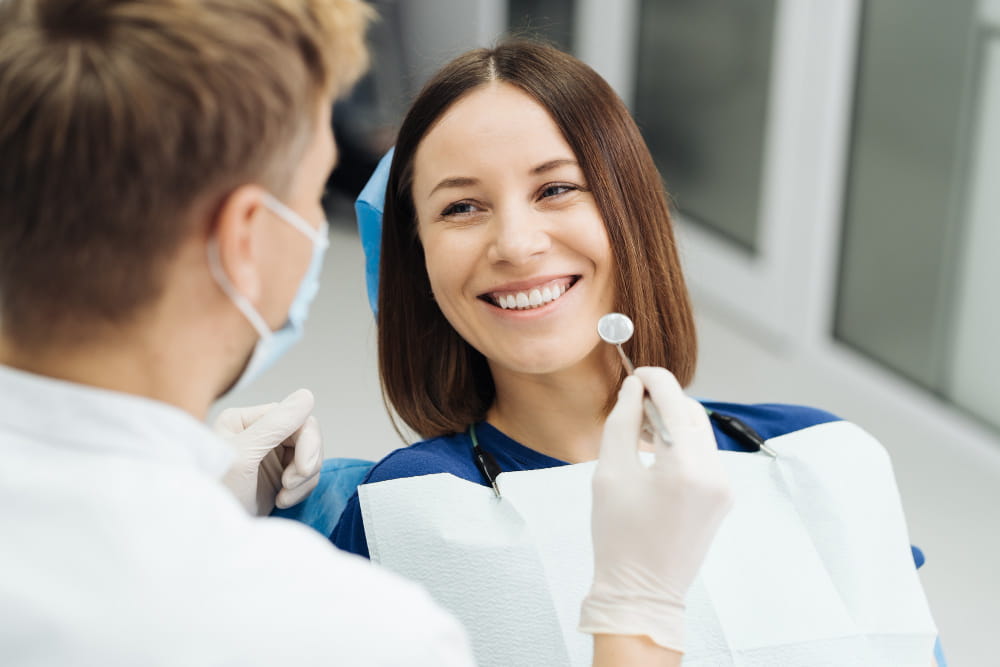
Smile Design Antalya focuses on creating a healthier, more attractive, and more balanced smile by planning the teeth, gums, lips, and facial proportions together. It is not limited to making the teeth whiter. A proper smile design evaluates tooth colour, tooth length, gum levels, smile line, facial symmetry, bite function, speech, and the way the lips move when smiling or talking. The result should look natural on your face, feel comfortable when chewing, and remain easy to maintain over time.
In clinical practice, smile design is one of the most personalised areas of dentistry. Two patients may ask for “a better smile”, but the treatment plan can be completely different. One person may need only whitening and small composite bonding corrections. Another may need porcelain veneers, zirconium crowns, gum contouring, implant treatment, or replacement of old restorations. This is why we start with a detailed examination rather than choosing a treatment from a photograph.
Antalya has become a popular destination for smile design because many clinics combine cosmetic dentistry experience with digital scanning, professional photography, CAD/CAM-supported laboratory work, and structured treatment schedules for international patients. For suitable cases, a smile design treatment can often be completed within 5 to 10 days. Cases involving implants, gum therapy, orthodontics, or bone healing may require a longer plan.
A well-designed smile should not look copied and pasted. Tooth shape, shade, surface texture, gum contour, and smile width need to match the patient’s age, skin tone, face shape, and personal style. Some patients want a bright and glamorous smile; others prefer a softer, natural result. The right smile design is the one that makes you look refreshed without making the teeth feel artificial.
Smile design is a personalised dental planning approach that improves the appearance and function of the smile by analysing the teeth, gums, lips, bite, and facial features together. It can involve cosmetic treatments such as veneers, whitening, bonding, gum reshaping, crowns, or implants, but the real value is in the planning. We are not only asking, “Which teeth should be treated?” We are looking at how the smile behaves when the patient speaks, laughs, rests the lips, and bites.
A proper smile design starts with diagnosis. We check the colour of the teeth, the size and shape of each tooth, the gum line, tooth wear, crowding, gaps, old fillings, missing teeth, and bite contacts. Photographs and digital scans help us see details that are easy to miss during a quick mirror examination. For example, a central incisor that is only 1 mm shorter than the other can make the whole smile look uneven. A gum line difference of 1–2 mm can be clearly visible when the patient smiles widely.
Smile design can be conservative or more comprehensive. If the natural teeth are healthy and well-positioned, whitening and bonding may be enough. If the teeth are deeply stained, worn, cracked, or irregular in shape, porcelain veneers or zirconium crowns may be planned. If missing teeth affect the smile line, implant-supported restorations may be needed before the final aesthetic design is completed.
The aim is to create harmony rather than perfection in a mechanical sense. Natural smiles have character. The teeth should not be too bulky, too flat, or too white for the face. A good smile design respects tooth biology, gum health, and the patient’s daily comfort. When this balance is achieved, the result usually looks better in real life, not only in before-and-after photographs.
Smile design treatments in Antalya may include several procedures, depending on the patient’s dental condition and aesthetic expectations. The most commonly used treatments are porcelain veneers, zirconium crowns, teeth whitening, composite bonding, gum contouring, dental implants, professional cleaning, replacement of old fillings, and sometimes orthodontic preparation. The treatment combination is selected after examination, because using the wrong method can make the smile look artificial or create functional problems.
Porcelain veneers are often preferred for front teeth when there are small gaps, mild shape irregularities, resistant stains, minor wear, or slight alignment concerns. Veneers are thin ceramic restorations bonded to the front surface of the teeth. In many cases, preparation may be around 0.3–0.7 mm, although this depends on tooth position, enamel thickness, and the desired shade change. If teeth are already protrusive, careful planning is needed to prevent bulky results.
Zirconium crowns are commonly used when teeth are heavily filled, cracked, root canal treated, severely worn, or structurally weak. Since crowns cover more of the tooth than veneers, they provide greater reinforcement in cases where strength is as important as appearance. Teeth whitening may be used before veneers or bonding if natural teeth will remain visible. Many patients can achieve a noticeable shade improvement with whitening, though results depend on enamel structure and the type of staining.
Composite bonding is useful for small chips, uneven edges, and minor gaps. It is more conservative than ceramic treatment, but it may stain or wear faster. Gum contouring can correct uneven gum levels or a gummy smile when the case is suitable. If a missing tooth appears in the smile zone, an implant or bridge may be included. In Antalya, these treatments can often be coordinated in one planned schedule, which is one reason international patients prefer having smile design treatment here.
A suitable candidate for smile design is someone who wants to improve the appearance of their smile while keeping dental health and function at the centre of the plan. Common reasons include stained teeth, uneven tooth shapes, chipped edges, gaps, crowding, short teeth, worn teeth, old crowns, visible fillings, missing teeth, gum asymmetry, or a smile that looks tired. Many patients do not know exactly which treatment they need. They simply know that their smile does not reflect how they want to look.
Good gum health is one of the main requirements. If the gums bleed during brushing, look swollen, or have active periodontal disease, cosmetic treatment should not be started immediately. Restorations placed on unhealthy gums may cause margin problems, bad breath, bleeding, and early failure. Before smile design, we examine gum pockets, plaque control, bone support, and inflammation levels. Professional cleaning or gum treatment may be needed before aesthetic work.
Tooth structure also guides the decision. Patients with healthy enamel and minor aesthetic concerns may be good candidates for veneers or bonding. Patients with large fillings, cracks, root canal treated teeth, or advanced wear may be better suited for crowns. If the patient grinds or clenches, the design must be adjusted to handle higher bite forces. A night guard may be recommended after treatment to protect veneers, crowns, or bonding.
A good candidate also has realistic expectations. Smile design can create a very visible improvement, but it must respect the patient’s face and oral biology. A very bright shade may look beautiful on one person and too artificial on another. Long teeth may improve smile display in one case but disturb speech in another. The most successful candidates are open to professional guidance and want a result that looks attractive, works comfortably, and can be maintained for years.
Smile design before and after results can show changes in tooth colour, shape, alignment, gum symmetry, smile width, and facial expression. The difference is often more than “whiter teeth”. A carefully planned smile design can make the face look more energetic, improve lip support, soften an aged appearance caused by worn teeth, and create a cleaner smile line. Small corrections can make a big visual difference when they are placed in the right part of the smile.
Before treatment, we record the case with photographs, digital scans, and sometimes X-rays or 3D imaging if implants or bone-related planning is needed. These records help us evaluate tooth proportions, midline position, gum levels, tooth length, smile curve, and bite. A front tooth that is slightly rotated may reflect light differently and appear darker. A gum line that sits too low on one tooth can make that tooth look shorter even if the tooth itself is normal in size.
After treatment, the expected result depends on the procedures used. Whitening can brighten natural teeth, usually by several shades in suitable patients. Composite bonding can repair chips and reshape small irregularities in a single visit. Veneers can improve colour, shape, spacing, and surface texture. Zirconium crowns can rebuild teeth that have lost strength or volume. Gum contouring can create a more even frame around the teeth. Implants can restore missing teeth that disrupt the smile.
The best before and after results are those that look good in motion, not only in a still photograph. Teeth should not click together awkwardly, speech should adapt comfortably, and the patient should be able to clean around the restorations. A beautiful smile is not successful if it traps food, causes gum irritation, or feels too thick. Good smile design is visible in photos, but it proves itself in daily life.
The smile design process begins with a consultation where we listen to the patient’s concerns and expectations. Some patients want a natural improvement; some want a brighter, more noticeable transformation. We ask what bothers the patient most: colour, shape, gaps, gum display, old restorations, missing teeth, or facial harmony. This conversation is important because technical success and patient satisfaction are not always the same thing. The plan must fit the person, not only the teeth.
Clinical examination follows. We check the teeth, gums, bite, jaw movement, existing restorations, tooth wear, sensitivity, and oral hygiene. Photographs are taken from different angles, including full face, relaxed smile, wide smile, side view, and close-up tooth images. Digital scans may be used to record the teeth without traditional impression materials. X-rays are taken when we need to assess roots, bone levels, old fillings, infections, or implant areas.
After diagnosis, we create a treatment plan. This may include whitening, bonding, veneers, crowns, gum contouring, implants, or preparatory dental care. If ceramic restorations are planned, a digital smile design or wax-up may be prepared. A mock-up can sometimes be placed over the teeth with temporary material, allowing the patient to preview the approximate shape and length before final work begins. This step helps prevent surprises and gives us a chance to adjust the design early.
Tooth preparation is performed only when needed. Some cases require minimal preparation, while damaged teeth may need more coverage. Temporary restorations are fitted when veneers or crowns are being produced. During the final fitting, we check colour, fit, gum adaptation, tooth proportions, speech, and bite contacts. If something feels too high or uncomfortable, it is adjusted. The final result should not feel foreign in the mouth. It should feel like a cleaner, stronger, more confident version of the patient’s own smile.
Digital Smile Design, often called DSD, is a planning method that uses photographs, videos, digital scans, and facial analysis to design a smile before starting treatment. It allows us to evaluate how the teeth relate to the lips, gums, face shape, and smile movement. Instead of deciding tooth shape only inside the mouth, we plan the smile in the context of the whole face. This makes the result more predictable and more personal.
In a DSD workflow, we usually take high-quality photographs from several angles and record the patient’s smile at rest and during movement. Digital scans of the teeth may be combined with these records. The software helps analyse tooth length, width, midline, gum levels, smile curve, and facial symmetry. For example, the upper front teeth may need to follow the curve of the lower lip, but this should be done naturally. A smile curve that is too flat can make the teeth look aged; a curve that is too exaggerated can look artificial.
One valuable part of DSD is communication. Patients can see a visual preview of the planned direction before irreversible steps are taken. In suitable cases, a mock-up can be created and placed temporarily in the mouth. This allows the patient to see how longer, wider, or differently shaped teeth may look when speaking and smiling. It is not the final ceramic result, but it gives a practical preview.
DSD does not replace clinical judgement. Software can suggest symmetry, but biology decides what is safe. Enamel thickness, bite force, gum health, root position, and tooth structure still guide the treatment. A digital design that looks beautiful on screen must be possible in the mouth without damaging healthy tissue unnecessarily. When used correctly, DSD helps us create a smile that is not only attractive but also realistic, functional, and easier to explain to the patient.
Smile design treatment time depends on the procedures included in the plan. A simple case with whitening and minor composite bonding may be completed in 1 to 3 appointments. A ceramic-based smile design with porcelain veneers or zirconium crowns in Antalya often takes around 5 to 10 days when the gums are healthy and no surgical treatment is required. If the plan includes implants, gum treatment, orthodontics, or bone grafting, the overall timeline may extend from a few months to more than a year in complex cases.
For patients travelling to Antalya, the schedule is usually planned before arrival. On the first appointment, we complete examination, photographs, scans, X-rays if needed, shade discussion, and treatment confirmation. If veneers or crowns are planned, tooth preparation and temporary restorations may be completed during the early appointments. The laboratory then produces the final restorations. A try-in stage may be used to check fit, shape, colour, and smile harmony before final bonding.
The number of treated teeth affects the timeline. Designing 6 upper front teeth is usually faster than restoring 20 or 24 teeth. Full-mouth aesthetic cases require more bite planning because upper and lower teeth must work together. If the bite is ignored, the restorations may chip, feel uncomfortable, or create jaw muscle tension.
Implant-supported smile design requires a different timeline. After implant placement, healing often takes around 3 to 6 months depending on bone quality and whether grafting was needed. Temporary teeth may be provided during healing, but final crowns are usually made after implant stability is confirmed. Gum contouring may need a shorter healing period, commonly around 1 to 3 weeks, before final impressions. The safest treatment time is the one that gives the tissues and laboratory enough time to produce a result that looks good and functions properly.
Smile design cost in Antalya varies depending on the number of teeth treated, the materials used, the complexity of the case, and whether additional treatments are needed. A patient who needs only whitening and bonding will pay much less than someone who needs 20 zirconium crowns, gum contouring, implants, and replacement of old restorations. This is why an accurate price should be given after examination, photographs, and necessary imaging.
The biggest cost factors are usually the type and number of restorations. Composite bonding is generally more affordable, but it may need polishing, repair, or replacement sooner than ceramic restorations. Porcelain veneers cost more because they require detailed preparation, laboratory work, ceramic layering or milling, and adhesive bonding. Zirconium crowns may be preferred for teeth that need strength as well as aesthetics. Implant treatment adds surgical and prosthetic components, including the implant fixture, abutment, and crown.
A transparent treatment quote should explain what is included. Patients should ask whether the price covers consultation, digital scans, X-rays, temporary teeth, laboratory fees, final restorations, bite adjustments, follow-up checks, and any required gum or root canal treatment. If a quote is unclear, the final cost may change during treatment. In cosmetic dentistry, unclear pricing can create stress at exactly the time when the patient should feel confident.
Antalya is often more affordable than many countries in Europe because clinic operating costs, laboratory costs, and general service expenses differ in Turkey. This cost advantage can be meaningful, especially in treatments involving multiple teeth. Price should still be judged together with material quality, dentist experience, clinic hygiene, communication, planning standards, and aftercare. A smile design is something you carry every day. Saving money is valuable, but only when the treatment is planned responsibly and the result can be maintained comfortably.
Smile design and Hollywood Smile are related treatments, but they do not always mean the same thing. Smile design is the broader and more personalised approach. It analyses the patient’s teeth, gums, lips, face shape, bite, and expectations to create a smile that suits the individual. Hollywood Smile usually refers to a brighter, more symmetrical, highly polished smile, often created with veneers or crowns. It is more of an aesthetic style, while smile design is the planning process behind the result.
A patient who chooses smile design may want a natural look with small improvements. The tooth shade may be bright but not extreme. The edges may be slightly rounded, the surface texture may look lifelike, and the final result may blend quietly with the face. A patient asking for a Hollywood Smile may prefer a whiter shade, stronger symmetry, and a more dramatic change. Both can look beautiful when planned correctly.
The problem starts when every patient receives the same tooth shape and colour. A very white, square, uniform smile may suit some faces, but it can look heavy or artificial on others. Tooth design should consider age, gender expression, lip volume, smile width, facial proportions, and personality. Even a glamorous smile needs depth, translucency, and natural light reflection. Flat white blocks do not look like healthy teeth.
Smile design gives us more flexibility. We may use whitening, bonding, veneers, crowns, gum contouring, orthodontics, or implants depending on what the patient needs. Hollywood Smile cases often involve ceramic restorations on the visible teeth to create a clean and camera-ready appearance. The right choice depends on whether the patient wants a subtle enhancement or a more noticeable transformation. In both cases, the teeth must close comfortably, the gums must stay healthy, and the restorations must be easy to clean.
Antalya is a popular choice for smile design because it combines experienced cosmetic dentistry services, digital planning technologies, modern dental laboratories, and accessible treatment prices. For international patients, the city also offers convenient travel options, many accommodation choices, and clinics that are used to organising treatment schedules around short visits. This makes Antalya attractive for patients who want high-quality aesthetic dental care without the high private treatment costs they may face in their home country.
The clinical advantage comes from careful planning. Smile design in Antalya may include digital scans, professional photography, smile analysis, CAD/CAM-supported restorations, and ceramic laboratory work. These tools help improve accuracy, but they are only useful when guided by a dentist who understands aesthetics and function together. A smile is not designed only on a screen. It has to work in a real mouth, with real chewing forces and real gum tissue.
Many patients travel to Antalya for veneers, zirconium crowns, whitening, bonding, gum contouring, and implant-supported restorations. Having these treatments coordinated within one clinic can make the process easier. Appointments can be arranged for consultation, preparation, temporary teeth, try-in, final fitting, and control visits. For suitable cases, this can be completed efficiently, often within one travel period. More complex cases are planned in stages, especially when healing is required.
The city itself can make the experience more comfortable. Patients can rest between appointments, stay close to the clinic, and recover in a calm environment. That comfort should not distract from the fact that smile design is still dental treatment. The best clinics explain material choices, tooth preparation levels, shade options, aftercare, and possible risks clearly. Antalya is a strong option when aesthetic ambition is matched with responsible clinical planning.
Recovery after smile design depends on the treatments performed. Whitening may cause temporary sensitivity, commonly lasting 24 to 72 hours. Composite bonding usually has almost no recovery period, although patients should avoid strongly staining foods and drinks for the first 24 to 48 hours. Veneers and crowns may cause mild gum tenderness, pressure, or tooth sensitivity for a few days after preparation and final bonding. Gum contouring may require a longer soft-tissue healing period, depending on how much reshaping was done.
Temporary restorations are common during ceramic smile design. They protect prepared teeth and give the patient a preview of the planned shape. Temporaries are not as strong or polished as final ceramics, so sticky foods, hard foods, and biting directly into very firm items should be avoided. If a temporary comes loose, it should be reattached by the dentist rather than ignored. Sensitivity during the temporary phase is not unusual, but sharp pain or swelling needs attention.
After final veneers, crowns, or bonding are placed, the bite may feel different for a short time. The tongue is extremely sensitive to shape changes, even less than 1 mm. If one tooth feels higher than the others or chewing feels uneven, a small adjustment may be needed. Patients should not force themselves to “get used to” a painful high spot.
Daily care protects the result. Brushing twice a day, cleaning between the teeth, and attending professional check-ups are essential. Veneers and crowns cannot decay, but the natural tooth underneath and the gum margins still need protection. Patients who grind their teeth should use a custom night guard. Avoiding habits such as chewing ice, biting nails, opening packages with teeth, or cracking seeds with front teeth can prevent chips and fractures. A smile design can stay attractive for many years when the patient treats it as part of their oral health, not only as a cosmetic change.

With a passion for dental excellence, Şirinyalı Dental Clinic combines the latest technologies with personalised care to give you the smile you deserve.
Çağlayan Mah. Bülent Ecevit Bul. Kardelen Sitesi. B Blok 150/A Muratpaşa / Antalya / Turkey

We use cookies to enhance your browsing experience, serve personalised content, and analyse our traffic. You can choose your preferences below.
When you visit our website, it may store or retrieve information on your browser, mostly in the form of cookies. This information might be about you, your preferences, or your device and is mostly used to make the site work as you expect it to.
These cookies are essential for the website to function and cannot be switched off. They are usually set in response to actions made by you such as setting your privacy preferences, logging in, or filling in forms.
These cookies allow us to count visits and traffic sources so we can measure and improve the performance of our site. They help us to know which pages are the most and least popular.
These cookies enable the website to provide enhanced functionality and personalisation such as live chat, videos, and remembering your language preference.
These cookies may be set through our site by our advertising partners. They may be used to build a profile of your interests and show you relevant adverts on other sites.
Leave your details for a personalized treatment plan.
Our expert team will contact you shortly.
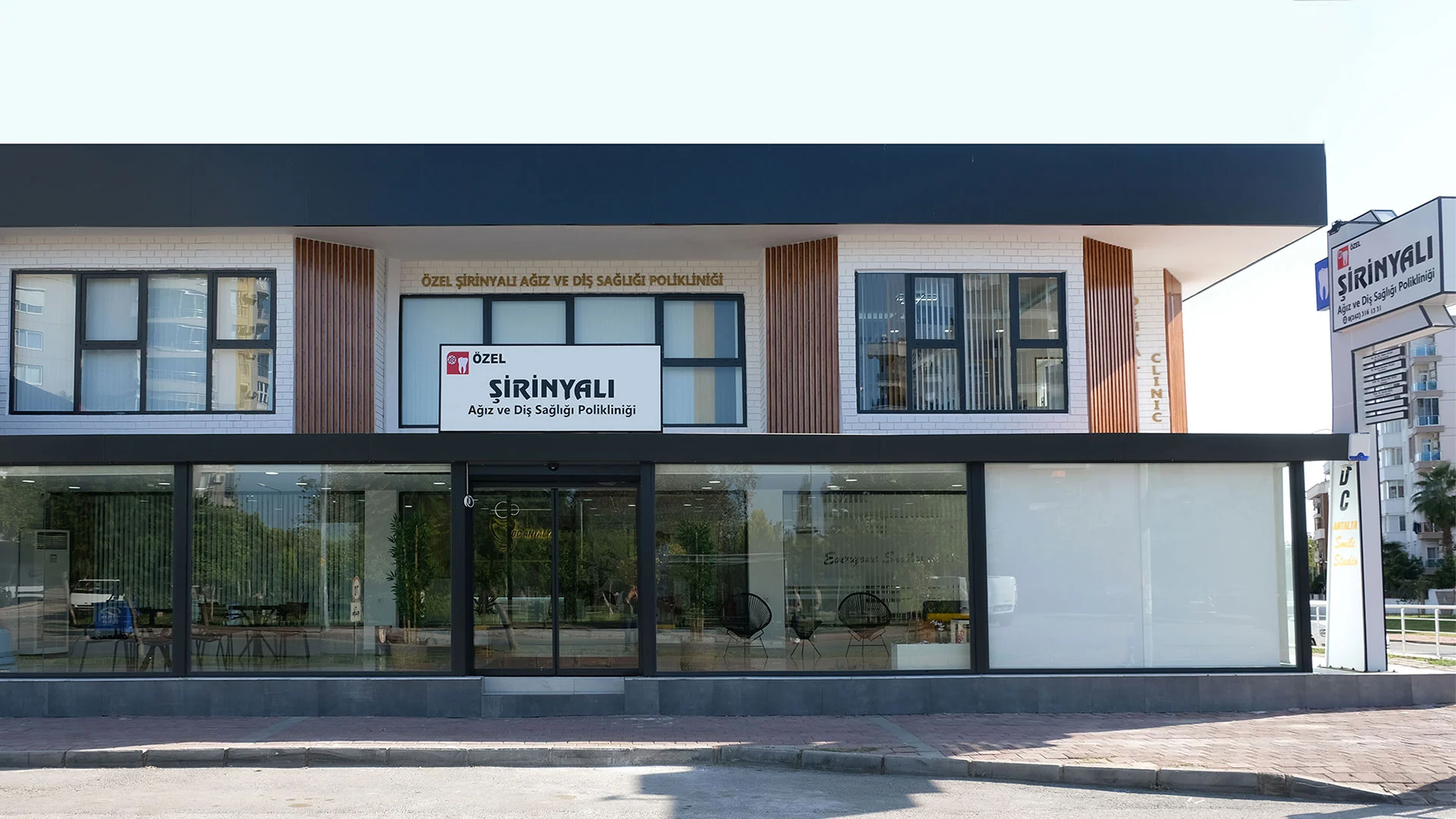
Premium dental treatments in the heart of Antalya — trusted by patients from 50+ countries.
Share your details and our dental specialists will create a personalized treatment plan — completely free.
🔒 Your information is secure and will never be shared.
